Grassroots Topples Establishment: Makled Unseats Acker in Historic Convention Upset
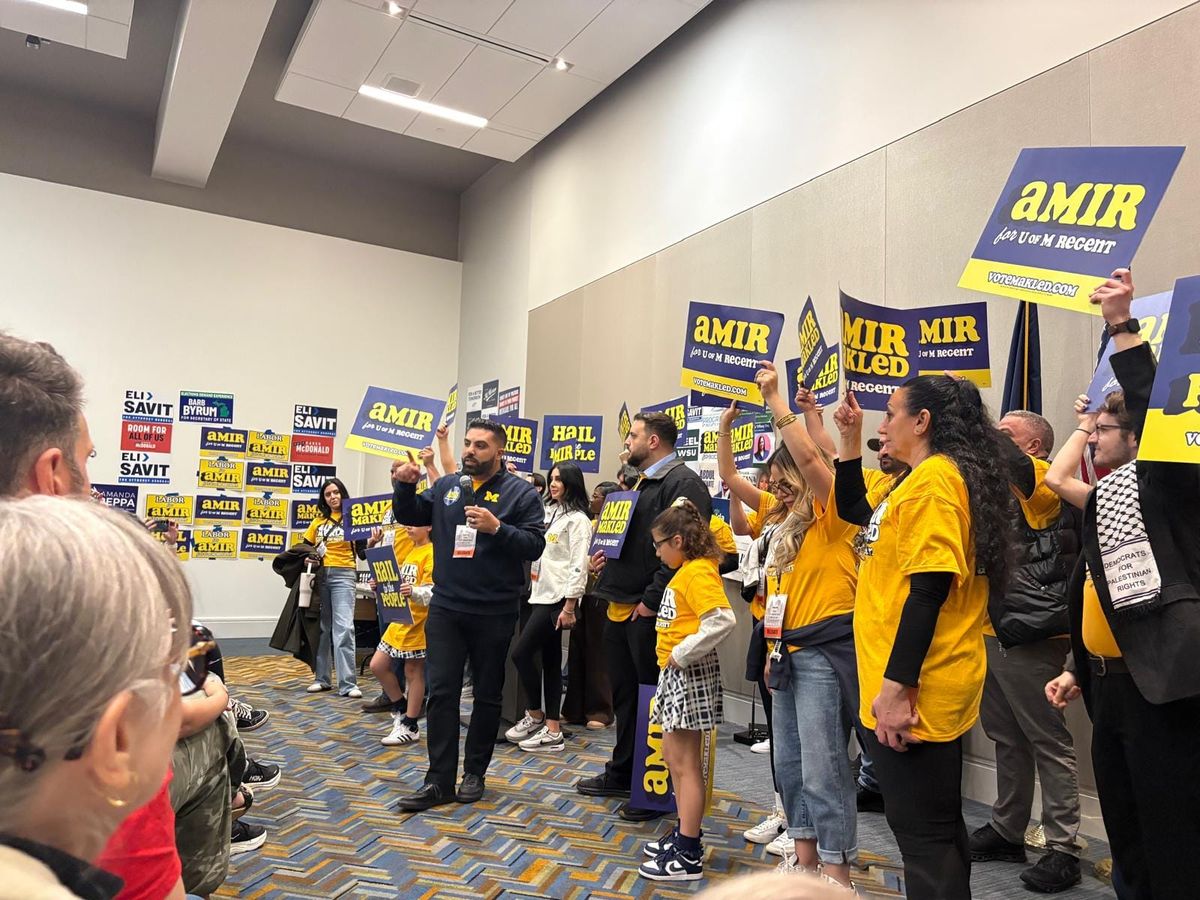
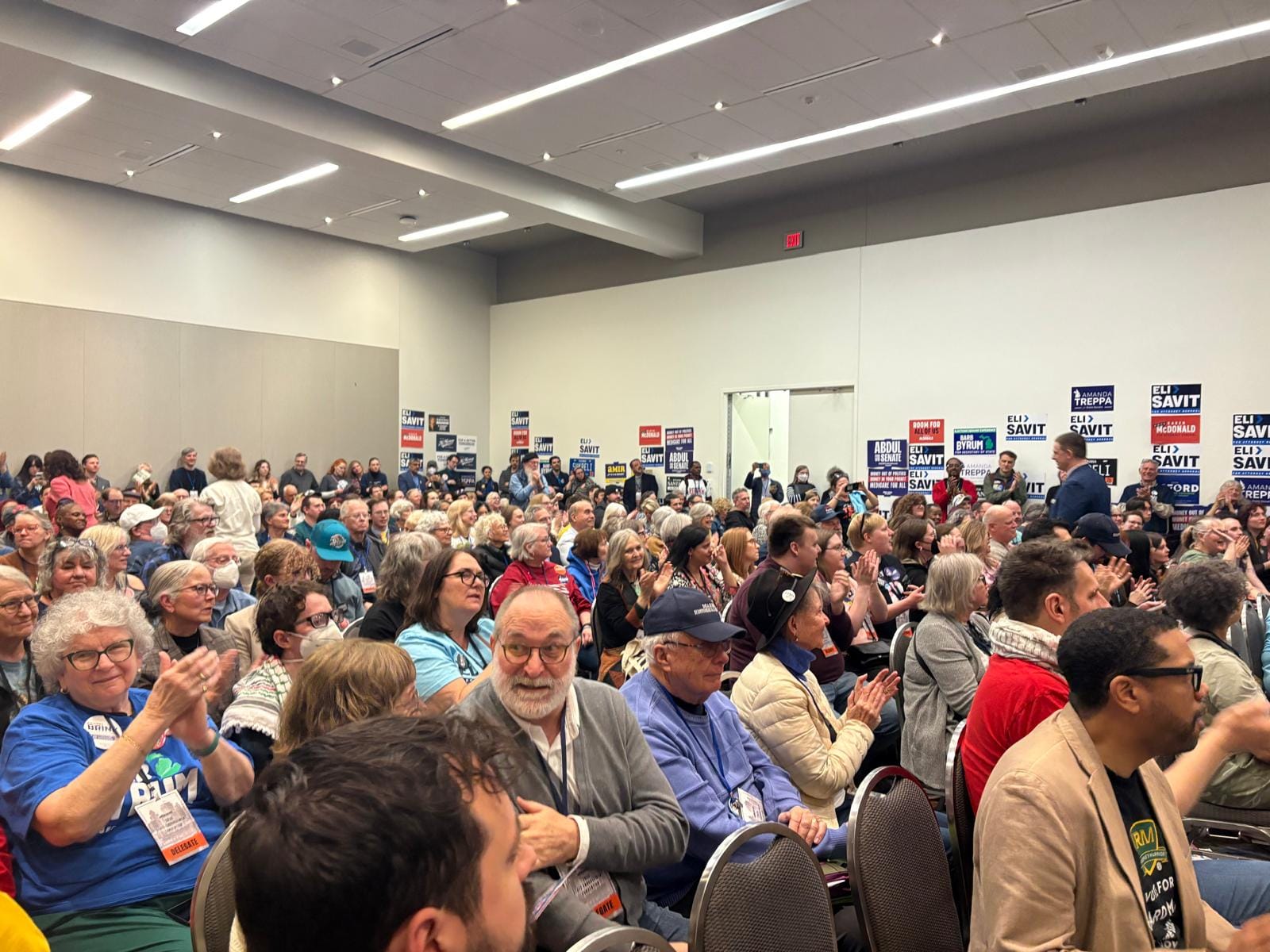
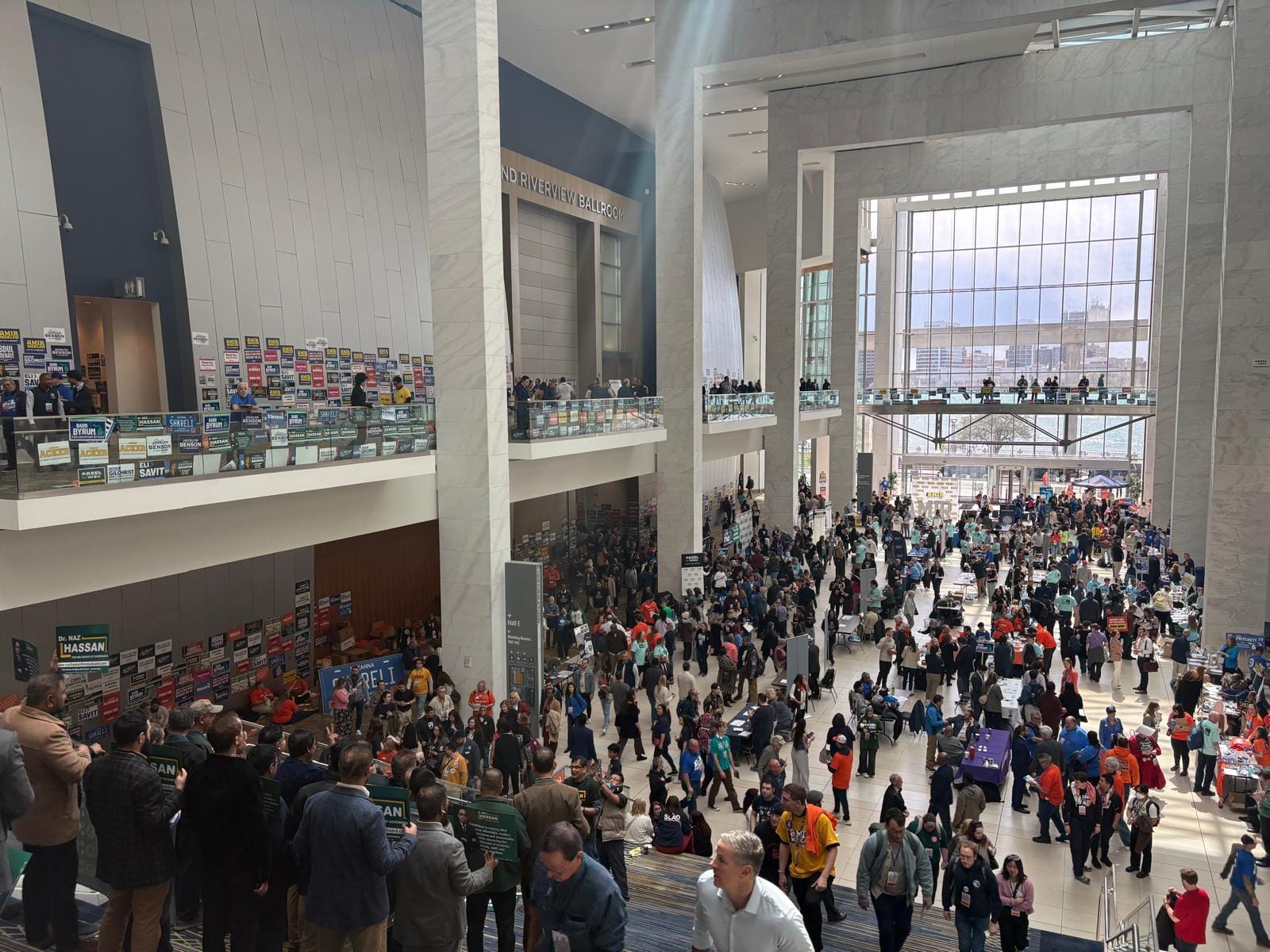
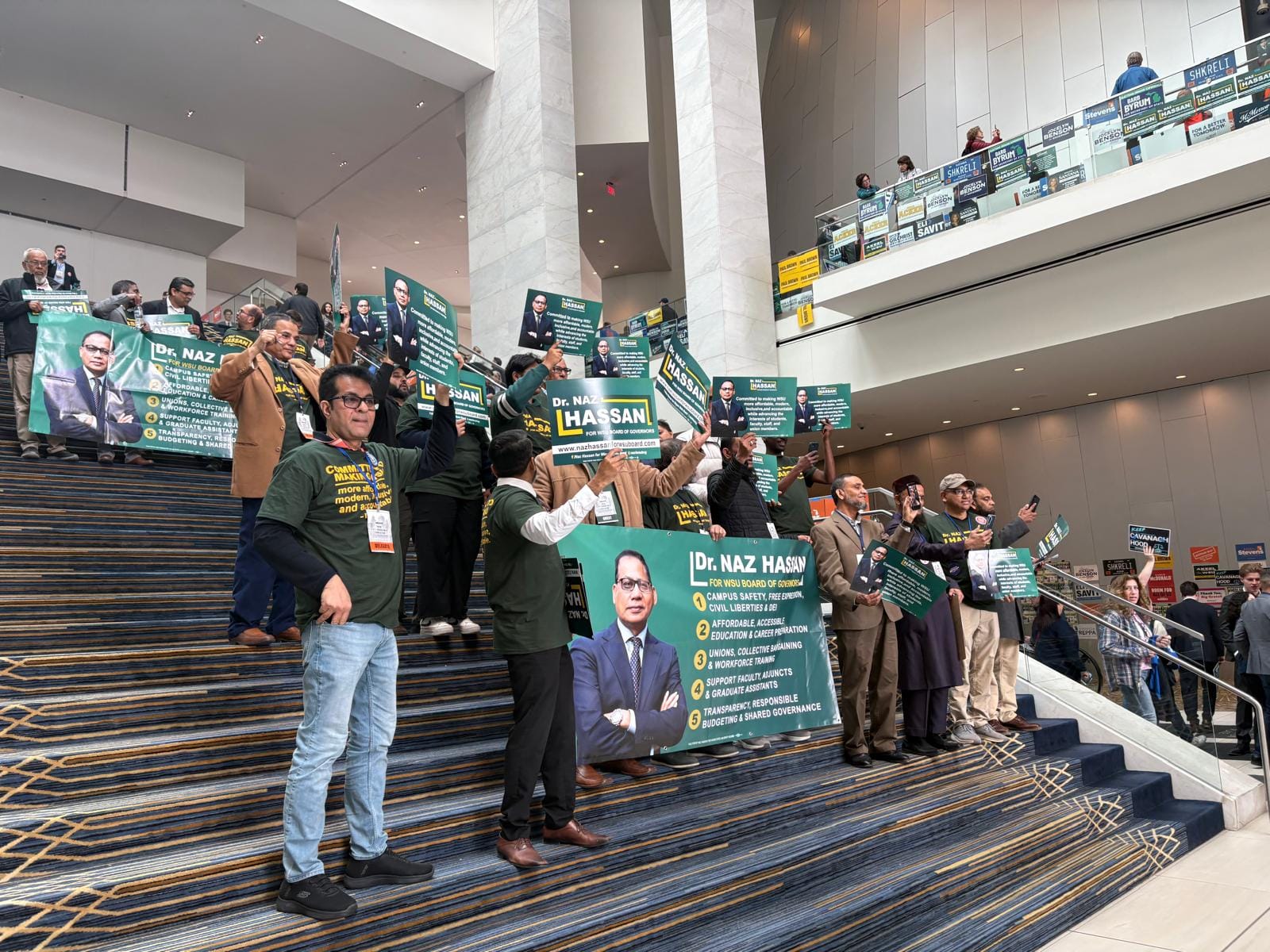
Energized by the high stakes of the upcoming midterm elections and looking to present a formidable counterweight to the current Republican administration in Washington, a record-breaking 7,252 delegates flooded Detroit’s Huntington Place on Sunday for the Michigan Democratic Party Endorsement Convention. Tasked with endorsing candidates for crucial statewide roles and university boards, the gathering quickly transformed into a definitive showdown between the party's entrenched establishment and a highly mobilized grassroots movement. By the end of the day, the progressive base had proven its organizing power, securing major victories and signaling a seismic shift in the state party's power dynamics.
The convention floor hosted meetings for 14 distinct caucuses, with the Arab American and Yemeni American caucuses seeing robust participation that reflected a deeply engaged voting bloc demanding policy shifts and greater representation. The defining momentum of the afternoon belonged to the Progressive Caucus, which threw its weight behind candidates running on platforms centered on human rights, anti-genocide and anti-war stances, Medicare for All, and immigrant rights. This grassroots energy was punctuated by an address from U.S. Representative Rashida Tlaib. Speaking directly to the Progressive Caucus, Tlaib framed Sunday’s record-breaking turnout as a pivotal moment for the future of the MDP, calling it a definitive turning point in the Democratic Party’s return to its roots as a party of the people rather than a party dictated by establishment interests.
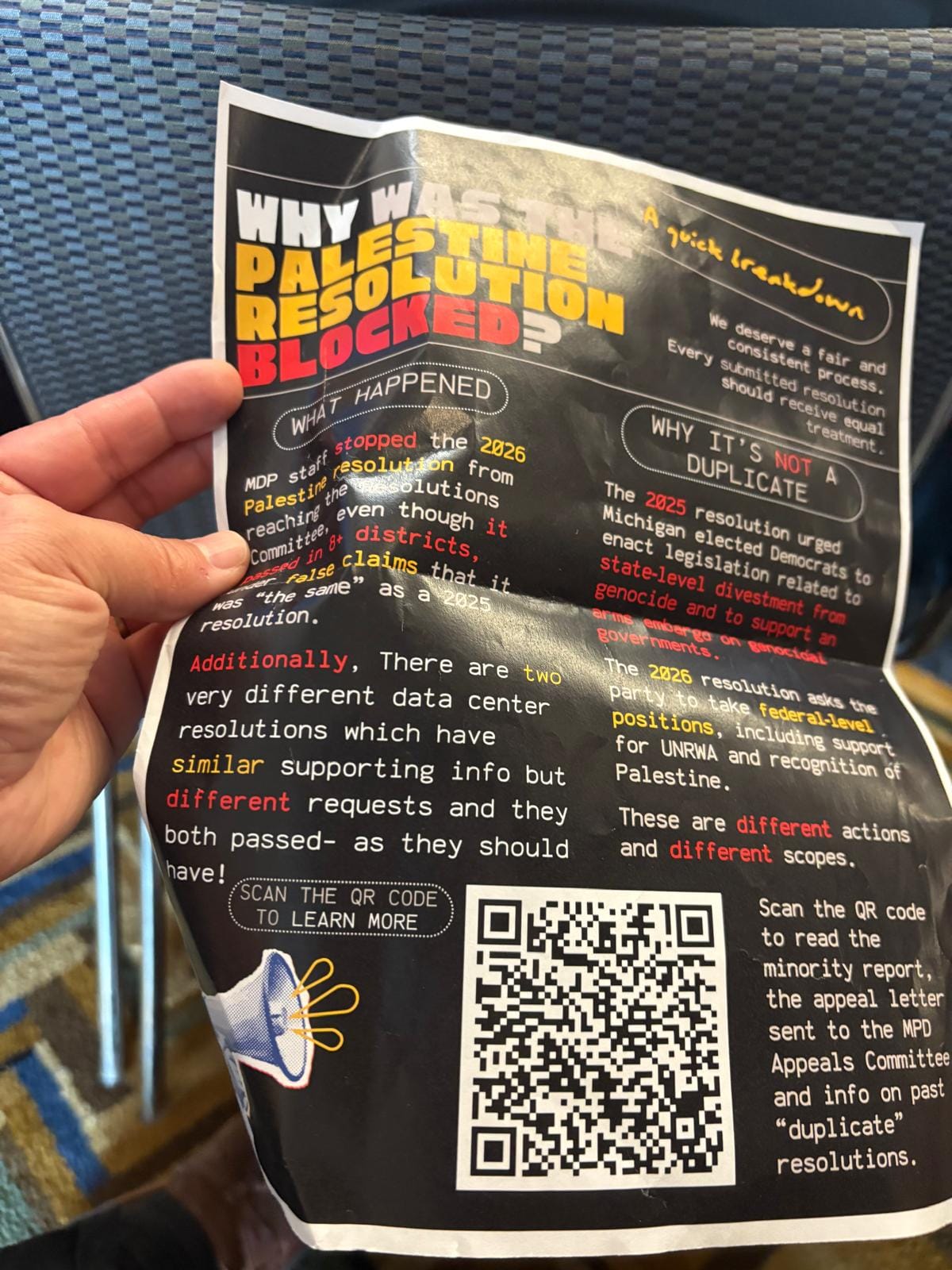
The friction between the grassroots and the party leadership was on full display regarding the handling of convention business. A widely circulated flyer at the convention, titled "Why Was the Palestine Resolution Blocked?", revealed intense frustration over a procedural move by party staff to stifle progressive policy demands. According to the flyer, MDP staff prevented the 2026 Palestine resolution from reaching the Resolutions Committee, despite it passing in more than eight districts, under the justification that it was a duplicate of a 2025 resolution. Organizers systematically dismantled this claim in the flyer, arguing that the two resolutions had entirely different scopes. The 2025 resolution focused on state-level actions, urging Michigan Democrats to enact legislation for state-level divestment and support an arms embargo. Meanwhile, the blocked 2026 resolution asked the party to adopt federal-level positions, specifically calling for the recognition of Palestine and support for UNRWA. Organizers pointed out a glaring double standard, noting that two distinct data center resolutions with similar supporting information but different requests were allowed to pass without issue. The document included a QR code linking to a minority report and an appeal letter sent to the MDP Appeals Committee, demanding a fair and consistent process from party elites.
This ideological rift over foreign policy, internal accountability, and university governance culminated in the convention's most fiercely contested race: the election for the University of Michigan Board of Regents. The race served as the ultimate proxy battle between the establishment and the grassroots. Incumbent Regent Jordan Acker entered the convention as the establishment-backed figure, but he was fiercely opposed by the progressive wing after pushing for pro-Palestine campus protesters to face prosecution and serving on a board that hired private investigators to covertly surveil and harass student activists. Acker's campaign was further derailed by a severe scandal that broke just days prior. As reported by The Guardian on Friday, leaked Slack messages attributed to Acker from 2020 and 2021 revealed obscene and lewd sexual comments about a Democratic party strategist, as well as highly inappropriate remarks regarding the sexual history of a female U-M student.
The ensuing grassroots backlash against the establishment was palpable during the floor proceedings. According to reporting from journalist Sam Robinson, tensions flared visibly when 13th Congressional District Democratic Party Chair Jonathan Kinloch took the stage to speak on Acker's behalf. Kinloch was immediately met with a chorus of boos from the delegates. Attempting to quell the unrest and enforce party discipline, Kinloch rebuked the crowd, stating that Democrats must not have learned that "the enemy is not in this room." The establishment's plea for unity over accountability largely fell on deaf ears.
Ultimately, the delegates' discontent translated directly to the ballot box. The controversies surrounding Acker provided unstoppable momentum to his grassroots challenger, Dearborn civil rights attorney Amir Makled, who had successfully defended several of the pro-Palestinian student protesters from felony charges brought by the attorney general's office. In a stunning upset for the party's left flank, Makled successfully ousted Acker to win the official party nomination. As the Michigan Democratic Party officially cements its roster, today's convention and Makled's definitive victory make one thing clear: the grassroots wing of the party is highly organized, turning out in unprecedented numbers, and no longer willing to yield to the establishment.
Images courtesy of Tahani Othman.
Comments ()