Healthcare, Not Politics, Won the UAW’s Endorsement
The UAW’s endorsement of Abdul El-Sayed in Michigan’s Senate race proves one thing: healthcare is the ultimate working-class issue. By backing his Medicare for All platform, the union highlights that medical debt is often the difference between financial stability and collapse.
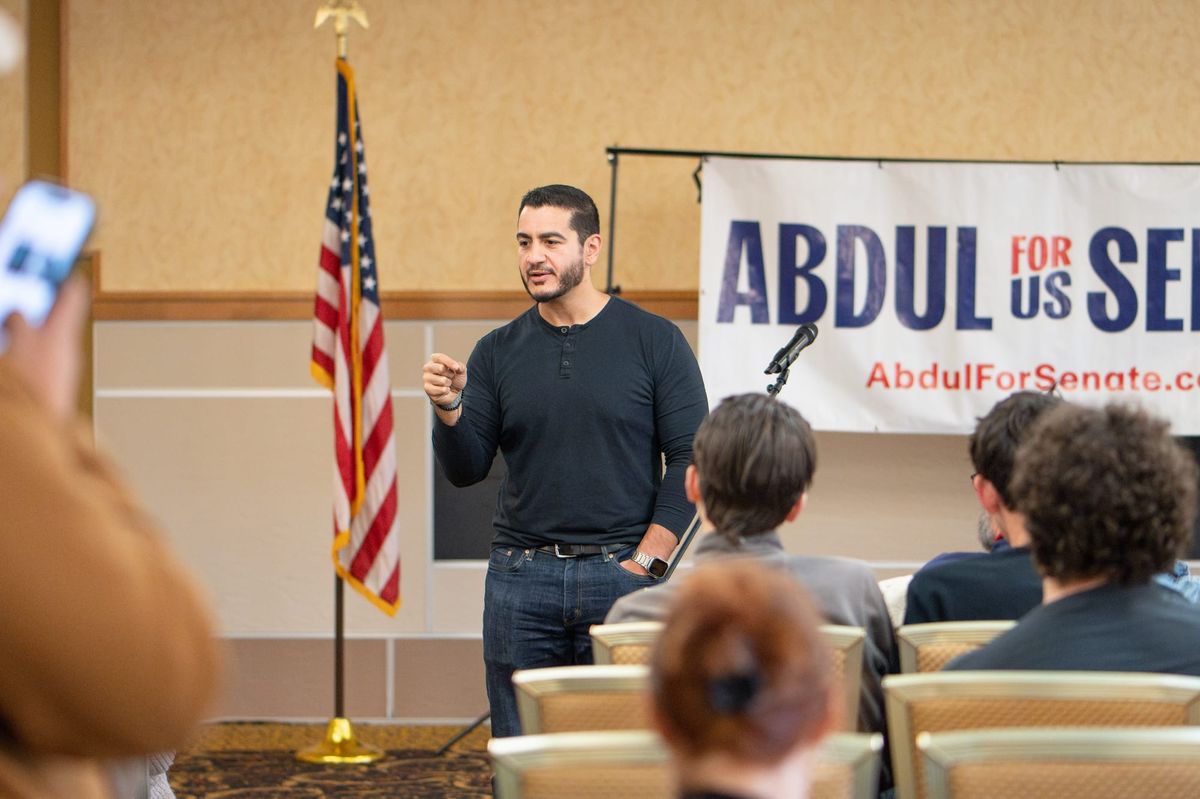
The United Auto Workers (UAW) recently endorsed Abdul El-Sayed in Michigan's United States Senate race, which caught a lot of attention, and for good reason. The UAW is one of the most influential unions in the state of Michigan, representing hundreds of thousands of active and retired workers. When it makes an endorsement, people pay attention.
This endorsement is particularly interesting not because the union chose El-Sayed over other Democratic candidates, but for why they chose him. In its official endorsement, the UAW described El-Sayed as "someone we can trust to have our backs" and specifically pointed to his support for Medicare for All, his opposition to stock buybacks, and his refusal to accept corporate PAC money. Rather than focusing on his campaign experience or political connections, the union focused on issues that affect the working class directly. El-Sayed’s opposition to stock buybacks comes from the argument that large corporations should invest more in workers and their businesses. His refusal to accept corporate PAC money also appeals to voters who are frustrated by the influence of wealthy corporations in politics.

However, healthcare stood out as one of the biggest factors in the decision. According to Michigan Public, the UAW cited El-Sayed's support for a Medicare for All single payer healthcare system as one of the main reasons for its endorsement. In an interview with WDET, UAW Region 1A Director Mark DePaoli went further, calling healthcare "the biggest problem" facing most Americans, arguing that having a physician in the Senate could help address those challenges.
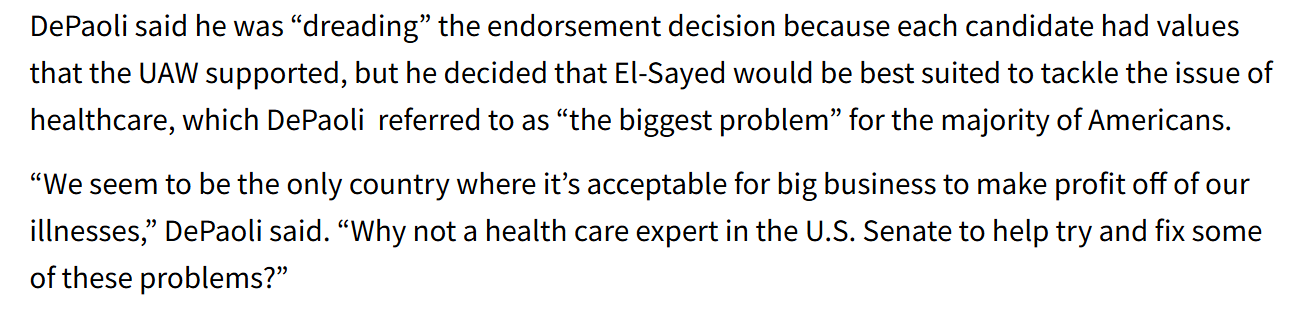
For many union workers, healthcare is no abstract policy; it essentially is contract security and financial survival. Medical bills, prescription costs, insurance coverage, and other medical related struggles affect nearly every family in Michigan. Many workers negotiate healthcare benefits as part of their union contracts, meaning healthcare isn’t merely a political debate when it impacts their daily lives. These pressures extend beyond union members, as rising deductibles, prescription costs, and unexpected medical bills affect students, part-time workers, and families across income levels. In Michigan, decisions about care are already shaped by costs, whether that means delaying treatment, avoiding prescriptions, or taking on medical debt.
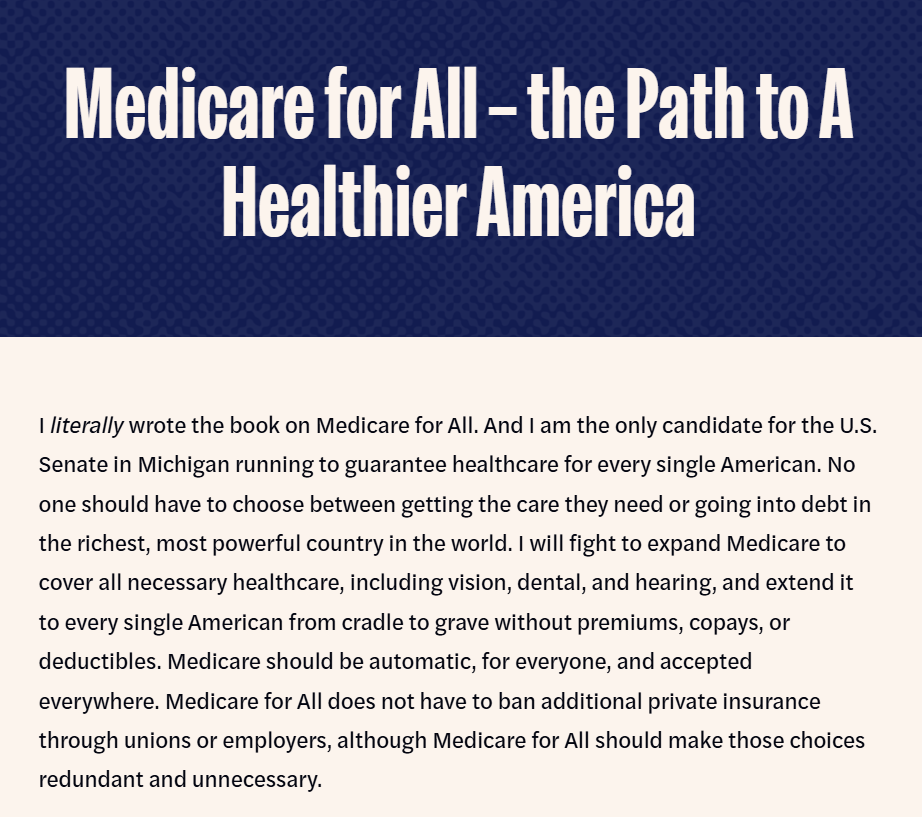
El-Sayed has made healthcare one of the largest issues of his campaign, arguing on his campaign website that healthcare should be guaranteed for every American, and proposes expanding Medicare to include dental, vision, and hearing coverage, while eliminating premiums, copays, and deductibles. He also called for reducing prescription drug prices, and limiting the influence of large healthcare corporations. He’s pointed to a Wayne County medical debt relief program he helped launch. When asked about the program, the campaign said it remains ongoing, and aims to eliminate up to $700 million in medical debt for 300,000 Michiganders.
Of course, there are many issues that voters will consider before casting their ballots. Michigan voters care about jobs, education, foreign policy, manufacturing, and the economy this August. However, the UAW's endorsement shows that healthcare remains near the top of that list for many working class voters.
At a time when political campaigns often focus on personalities and party divisions, the endorsement serves as a reminder that many voters are still paying close attention to policies that affect their lives daily. The UAW's decision suggests that for many Michigan workers, healthcare is an important issue in this upcoming Senate race.
This endorsement shouldn’t be treated as routine political support from a large union. It reflects something more basic: healthcare throughout the state and country is still unstable enough that it shapes political decisions at the highest levels. When a union representing hundreds of thousands of workers centers its endorsement on access to care, it’s responding to a system that continues to put financial strain on working families. This Senate race must confront that reality: for many voters, healthcare is the difference between stability and financial collapse.



Comments ()